

cadd solis pump user manual
The CADD-Solis VIP pump, detailed in the operator’s manual, enhances patient safety across diverse clinical settings.
Clinicians must be trained and authorized to utilize this device, adhering to facility protocols.
Version 1.6 of the software supports variable infusion profiles for adult and pediatric patients.
Always consult the manual for updated revisions and crucial safety information regarding flammable anesthetics.
Proper operation, as outlined in the manual, prevents potential risks and ensures optimal patient care.
Overview of the CADD-Solis VIP Ambulatory Infusion Pump
The CADD-Solis VIP Ambulatory Infusion Pump, as detailed in the operator’s manual (Model 2120, Software version 1.6), represents a significant advancement in ambulatory infusion technology. This pump is specifically engineered to deliver controlled infusions for a wide spectrum of patients, encompassing both adult and pediatric populations, across various clinical care areas.
Its core functionality revolves around providing precise and reliable medication delivery, utilizing variable infusion profiles (VIP) to tailor treatment to individual patient needs. The pump’s design prioritizes patient care and safety, demanding that only trained and authorized clinicians operate the device, strictly following established facility policies and procedures.
The manual emphasizes the critical importance of understanding the pump’s features and limitations to ensure optimal performance and minimize potential risks.
Intended Use and Patient Populations
The CADD-Solis VIP pump, according to the operator’s manual, is intended for the controlled delivery of intravenous fluids and medications. It’s designed for use in various clinical settings, supporting a broad range of therapies. This pump caters to both adult and pediatric patient populations, offering adaptable infusion profiles.
Specifically, it’s suitable for patients requiring continuous subcutaneous, intravenous, or epidural infusions. The manual highlights its versatility in managing pain, delivering chemotherapy, and administering antibiotics. However, it’s crucial to avoid using the pump in environments with flammable anesthetics or explosive gases due to potential hazard.
Appropriate patient selection and clinician training, as detailed in the manual, are paramount for safe and effective use.
Safety Precautions and Warnings
The CADD-Solis VIP pump’s operator manual emphasizes strict adherence to safety guidelines. Do not use the pump near flammable anesthetics or explosive gases – a critical warning to prevent potential explosions. Only trained and authorized clinicians should operate the device, following established facility procedures.
The manual stresses the importance of reading it entirely before operation, as improper use could lead to serious patient injury or even death. Regularly check for updated manual revisions, as information changes. Ensure the cassette is securely locked with the pump key to prevent dislodgement during infusion.
Always inspect the infusion set for damage before use, as detailed in the manual.

Pump Components and Setup
The CADD-Solis pump requires proper cassette loading, securing hooks into hinge pins, and latching until it clicks.
Locking the cassette with the key is essential for safe operation.
Identifying Key Pump Components
The CADD-Solis pump features several crucial components for effective operation, as detailed in the user manual. These include the pump casing, providing structural integrity and housing internal mechanisms. The display screen is vital for viewing infusion parameters and alarm messages.
The keypad enables user interaction for programming and controlling the pump. The cassette compartment securely holds the medication cassette, ensuring accurate delivery.
Hinge pins and cassette hooks are essential for proper cassette installation. The cassette latch secures the cassette in place, while the pump key locks it, preventing accidental changes. Finally, the power button initiates pump operation, and the battery compartment houses the power source.
Cassette Loading and Securing
Proper cassette loading is critical for accurate infusion, as outlined in the CADD-Solis manual. Begin by inserting the cassette hooks into the hinge pins located on the pump’s bottom. Gently push upwards on the cassette until it firmly clicks into position, ensuring a secure fit.
Next, lift the cassette latch up to the closed position, locking the cassette in place. For added security, insert the pump key and turn it clockwise to fully lock the cassette.
This prevents accidental dislodgement or alteration of infusion settings. Always verify secure locking before initiating therapy.
Powering On and Initializing the Pump
To power on the CADD-Solis pump, refer to the operator’s manual for specific instructions. Ensure the cassette is securely loaded and locked before proceeding. The pump will initiate a self-check upon activation, verifying system integrity.
Observe the display screen for any error messages during initialization. A successful initialization is indicated by a ready status.
The pump is now prepared for programming infusion parameters. Always confirm proper initialization before administering medication to patients, as detailed in the manual.

Navigating the User Interface
The CADD-Solis pump’s display screen and keypad facilitate intuitive operation.
Menu navigation allows access to functions like programming and data review, as described in the manual.
Keypad shortcuts streamline common tasks.
Understanding the Display Screen
The CADD-Solis pump’s display screen provides critical information at a glance, as detailed in the operator’s manual. It clearly presents infusion parameters, including the programmed rate, volume remaining, and occlusion status.
Alarms are prominently displayed with accompanying messages, guiding clinicians to appropriate responses.
The screen also indicates battery life and pump operational mode, such as PCA or continuous infusion.
Brightness adjustments are available to optimize visibility in varying lighting conditions.
Understanding the screen’s layout and indicators is fundamental for safe and effective pump operation, ensuring accurate delivery and prompt response to any alerts.
Menu Navigation and Functionality
The CADD-Solis pump’s menu system, described in the user manual, allows clinicians to access and modify pump settings. Navigation is primarily achieved using the keypad, with intuitive prompts guiding users through each option.
Key functions include programming infusion rates, volumes, and delivery profiles (VIP);
The menu also facilitates access to the history log, alarm settings, and pump lock/unlock features.
Understanding the hierarchical structure of the menu is crucial for efficient operation.
Refer to the manual for detailed instructions on each menu item and its corresponding functionality, ensuring accurate and safe pump programming.
Keypad Operations and Shortcuts
The CADD-Solis pump utilizes a keypad for inputting commands and navigating the user interface, as detailed in the operator’s manual. Keypad functions include numerical entry for infusion parameters, scrolling through menu options, and confirming selections.
The manual outlines specific shortcuts for frequently used functions, streamlining workflow and reducing programming time.
Understanding the keypad’s layout and responsiveness is essential for accurate operation.
Clinicians should practice these operations to become proficient and minimize errors.
Refer to the manual for a comprehensive guide to keypad functions and available shortcuts.

Programming Infusion Parameters
The CADD-Solis pump, per the manual, allows precise setting of infusion rates and volumes.
Program delivery profiles (VIP) and bolus doses according to clinical needs.
Carefully input parameters to ensure accurate medication delivery and patient safety.
Setting Infusion Rate and Volume
The CADD-Solis pump’s manual details precise infusion rate and volume programming. Navigate to the programming menu using the keypad, as described in the user interface section.
Enter the desired infusion rate in mL/hr or other selected units. Verify the rate displayed on the screen before proceeding.
Next, program the total volume to be infused, ensuring accuracy to prevent over or under-delivery.
The pump allows for incremental adjustments to both rate and volume. Double-check all entered values before initiating the infusion.
Refer to the manual for specific instructions on unit selection and range limitations. Accurate programming is crucial for patient safety and effective therapy.
Programming Delivery Profiles (VIP)
The CADD-Solis VIP pump allows customized infusion profiles, detailed in the user manual. Access the VIP programming mode through the pump’s menu system.
Define multiple rate and volume segments within a single profile, tailoring delivery to specific clinical needs.
Each segment requires programming of rate, volume, and duration. The manual provides guidance on creating complex profiles.
Review the entire profile sequence before activation to ensure accurate delivery.
VIP profiles are ideal for patient-specific protocols requiring varied infusion patterns. Proper setup, as outlined in the manual, is essential for safe and effective use.
Bolus Dose Programming
The CADD-Solis pump facilitates bolus dose administration, as detailed in the operator’s manual. Access the bolus programming function through the pump’s menu options.
Enter the desired bolus volume and rate, carefully verifying the programmed values before initiating delivery.
The manual emphasizes the importance of adhering to prescribed bolus dosages and clinical protocols.
Bolus delivery can be programmed as a single dose or repeated at specified intervals.
Always confirm the infusion set is secure and patent prior to bolus administration. Refer to the manual for safety precautions and troubleshooting guidance.

Alarm Management
The CADD-Solis manual details various alarms, including occlusion, low battery, and system errors.
Promptly address alarms following the manual’s guidance to ensure continued, safe infusion therapy.
Understanding alarm meanings is crucial for effective patient care and pump operation.
Types of Alarms and Their Meanings
The CADD-Solis pump’s operators manual comprehensively lists alarm types and their corresponding meanings, vital for effective clinical response. Occlusion alarms indicate a blockage in the infusion set, requiring immediate attention to restore flow. Low battery alarms signal insufficient power, necessitating battery replacement or connection to an external power source.
System alarms denote internal pump malfunctions, potentially halting infusion and requiring troubleshooting or service. The manual details specific actions for each alarm, including verifying connections, addressing occlusion sites, and contacting technical support. Ignoring alarms can compromise patient safety, so diligent monitoring and prompt response are essential. Always refer to the manual for detailed guidance on alarm resolution.
Responding to Occlusion Alarms
The CADD-Solis pump’s manual details a systematic response to occlusion alarms, crucial for uninterrupted therapy. First, verify the infusion site for swelling or compromised access. Next, check the tubing for kinks or compression, gently straightening as needed. If the alarm persists, flush the line with a small volume of fluid, observing for resistance.
If flushing fails, replace the infusion set, adhering to sterile technique. Document all actions taken in the patient’s record. Persistent occlusion alarms may indicate a more serious issue, requiring a physician’s evaluation. Always consult the manual for specific troubleshooting steps and escalation protocols.
Addressing Low Battery and Other System Alarms
The CADD-Solis pump manual emphasizes prompt action for low battery alarms. Immediately connect the pump to a power source using the AC adapter. If unavailable, replace the battery with a fresh, compatible unit, following the manual’s instructions. For other system alarms, consult the alarm table within the manual to identify the specific issue.
Document the alarm, the corrective action taken, and the patient’s response. If the alarm persists or indicates a critical malfunction, contact biomedical engineering or Smiths Medical support. Never attempt to repair the pump yourself; refer to qualified personnel.

Advanced Features
The CADD-Solis pump offers PCA mode, a detailed history log for data review, and pump locking capabilities.
These features, explained in the manual, enhance control and monitoring.
Accessing these functions requires proper training and adherence to facility protocols.
Patient-Controlled Analgesia (PCA) Mode
The CADD-Solis pump’s PCA mode, as detailed in the user manual, allows patients to self-administer analgesics within pre-set safety limits. This feature requires careful programming by a trained clinician, establishing a basal rate, bolus dose, lockout interval, and maximum dose limits.
The manual emphasizes the importance of individualizing PCA settings based on patient needs and pain levels. Thorough patient education is crucial, ensuring they understand how to operate the demand button and report any adverse effects.
Continuous monitoring of the patient’s respiratory status and sedation level is paramount when utilizing PCA. The pump’s history log records all PCA events, aiding in assessment and adjustments to the therapy. Always refer to the manual for specific PCA programming guidelines and safety considerations.
History Log and Data Review
The CADD-Solis pump maintains a comprehensive history log, accessible through the user interface, as described in the operator’s manual. This log records critical events, including infusion start/stop times, dose delivery details, alarm occurrences, and any programming changes made to the pump settings.
Data review allows clinicians to assess infusion patterns, identify potential issues, and optimize therapy. The manual details how to navigate the history log and interpret the recorded data. This feature is invaluable for auditing purposes and ensuring adherence to clinical protocols.
Regular review of the history log supports informed decision-making and contributes to improved patient safety. The manual provides guidance on exporting data for further analysis and documentation.
Locking and Unlocking the Pump
The CADD-Solis pump incorporates a security key feature, detailed in the operator’s manual, to prevent unauthorized programming changes. Locking the pump restricts access to infusion parameters, safeguarding against accidental or intentional alterations to the prescribed therapy.
The manual illustrates the proper procedure for inserting the pump key and rotating it clockwise to engage the lock. Conversely, turning the key counterclockwise unlocks the pump, allowing authorized personnel to modify settings.
Consistent use of the locking mechanism is crucial for maintaining patient safety and data integrity. Always remove the key when the pump is unattended.

Maintenance and Troubleshooting
The operator’s manual details routine cleaning, battery management, and common troubleshooting steps for the CADD-Solis pump.
Regular maintenance ensures optimal performance and longevity of the device.
Routine Cleaning Procedures
The CADD-Solis pump’s exterior requires regular cleaning to maintain hygiene and operational integrity, as detailed in the operator’s manual.
Use a soft cloth lightly dampened with a mild detergent solution – avoid abrasive cleaners or excessive moisture.
Wipe down the pump’s surface, focusing on areas frequently touched by clinicians.
Do not immerse the pump in liquid or allow fluids to enter the internal components.
The display screen can be cleaned with a screen-specific wipe, ensuring no damage occurs.
Inspect the cassette compartment for any residual fluids or debris after each use and clean accordingly.
Always ensure the pump is completely dry before re-operation.
Follow your facility’s infection control policies during the cleaning process.
Battery Management and Replacement
The CADD-Solis pump utilizes a rechargeable battery; optimal performance relies on proper management, as outlined in the user manual.
Avoid completely discharging the battery to prolong its lifespan; frequent shallow charges are recommended.
The pump displays a low battery warning, prompting timely recharging – do not continue operation beyond this point.
Only use the specified charger provided with the pump to prevent damage or safety hazards.
Battery replacement should be performed by qualified personnel following the manual’s instructions.
Dispose of used batteries responsibly, adhering to local environmental regulations.
Regularly check the battery’s condition and replace it if it no longer holds a sufficient charge.
Refer to the manual for specific battery specifications and troubleshooting tips.
Common Troubleshooting Steps
The CADD-Solis pump’s manual details solutions for frequent issues. First, verify the cassette is correctly loaded and secured, ensuring proper latching and locking.
For occlusion alarms, check tubing for kinks or obstructions; gently reposition the patient if necessary.
If the pump fails to power on, confirm the battery is charged and properly connected.
Review error codes displayed on the screen and consult the appendix for specific resolutions.
Ensure all connections are secure and that the infusion set is appropriately primed.
If problems persist, contact Smiths Medical support for assistance, referencing the pump’s model and software version.
Always document troubleshooting steps taken in the patient’s record.
Technical Specifications
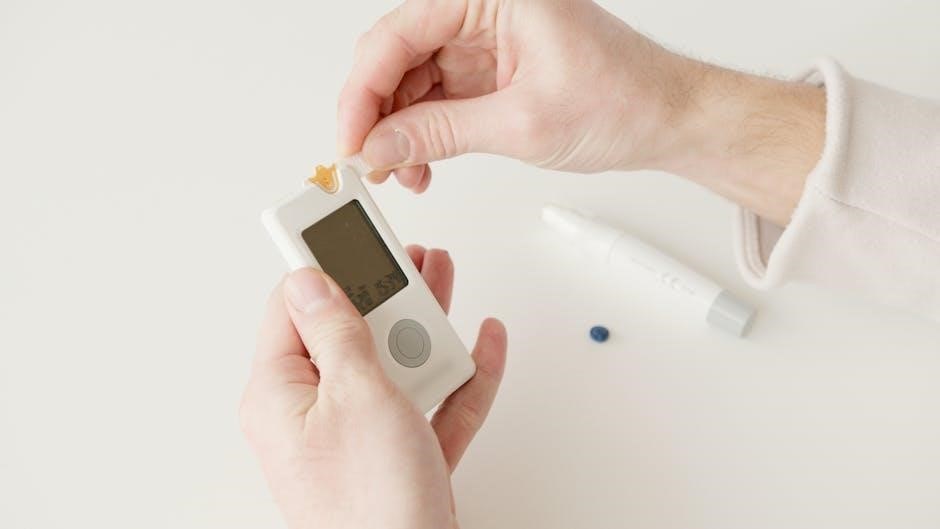
The CADD-Solis pump weighs approximately 2.2 pounds and boasts flow rate accuracy within ±2%.
It requires 100-240 VAC power input, offering versatile operation.
Detailed dimensions and specifications are available in the user manual.
Pump Dimensions and Weight
The CADD-Solis VIP Ambulatory Infusion Pump is designed for portability while maintaining robust functionality. Understanding its physical characteristics is crucial for proper handling and integration into various clinical environments. According to the operator’s manual, the pump’s dimensions are carefully considered to balance compactness with ease of use.
While precise measurements are detailed within the official documentation, the pump generally presents a manageable size for ambulatory applications. The pump’s weight is approximately 2.2 pounds (1 kilogram), contributing to patient comfort during extended infusions. This weight allows for discreet wear and minimizes burden on the patient. Refer to the manual for exact specifications.
Flow Rate Accuracy
The CADD-Solis VIP Ambulatory Infusion Pump prioritizes delivering precise medication dosages, a critical aspect of patient safety. The operator’s manual emphasizes the pump’s commitment to flow rate accuracy, ensuring consistent and reliable infusions. Maintaining accuracy is paramount, especially for medications requiring precise titration.
The pump is engineered to minimize variations in flow rate, adhering to stringent quality control standards. Flow rate accuracy is typically within ±5%, as detailed in the technical specifications within the manual. Regular calibration, as recommended by Smiths Medical, helps sustain this level of precision. Always consult the manual for detailed performance data.
Power Requirements
The CADD-Solis VIP Ambulatory Infusion Pump is designed for flexible power options, enhancing its usability in various clinical environments. The operator’s manual details the pump’s power specifications, crucial for proper operation and battery management. It primarily operates on a rechargeable lithium-ion battery, providing extended infusion durations.
The pump accepts an input voltage of 100-240 VAC, 50/60 Hz with a provided AC adapter for charging. Battery life varies depending on infusion settings and usage patterns, as outlined in the manual. Always refer to the manual for specific charging instructions and battery replacement guidelines to ensure optimal performance and longevity.

Regulatory Information
The CADD-Solis pump adheres to stringent compliance standards, ensuring patient safety and operational reliability.
It meets electromagnetic compatibility requirements, detailed in the operator’s manual for clinical use.
Smiths Medical ensures adherence to relevant regulations for medical device performance.
Compliance Standards
The CADD-Solis pump is engineered to meet rigorous compliance standards, reflecting a commitment to patient safety and device reliability. It’s designed and manufactured adhering to quality management systems, ensuring consistent performance.
These standards encompass electrical safety, biocompatibility, and software validation, all thoroughly documented within the operator’s manual. Smiths Medical prioritizes adherence to international and regional regulations governing medical devices.
The pump undergoes comprehensive testing to verify conformity with applicable standards, providing clinicians with confidence in its safe and effective operation. Detailed information regarding specific standards met is available in the accompanying documentation.
Electromagnetic Compatibility
The CADD-Solis pump has been evaluated for electromagnetic compatibility (EMC), ensuring reliable operation in typical healthcare environments. The operator’s manual details specific guidance regarding potential electromagnetic interference.
Portable and mobile radio frequency communication equipment can impact pump performance; therefore, maintaining recommended distances from such devices is crucial. The pump is designed to minimize the emission of electromagnetic disturbances and possess immunity to common sources.
Clinicians should consult the manual for detailed EMC information, including testing levels and potential limitations, to maintain safe and accurate infusion delivery.

Appendix
This appendix provides a glossary of terms, error codes with solutions, and Smiths Medical contact information for the CADD-Solis pump.
Refer to these resources for quick reference and support.
Glossary of Terms
Bolus: A rapid, concentrated delivery of medication, programmed separately from the continuous infusion rate. Cassette: The disposable reservoir holding the medication, designed for secure loading into the pump.
Occlusion: A blockage in the infusion set, triggering an alarm and halting medication delivery. PCA (Patient-Controlled Analgesia): A mode allowing patients to self-administer pain medication within programmed limits.
VIP (Variable Infusion Profile): A feature enabling customized delivery schedules with varying rates over time. Revision: An updated version of the operator’s manual, reflecting changes and improvements.
Keypad Lock: A security feature preventing unauthorized programming changes. History Log: A record of pump events, alarms, and delivery data for review. Understanding these terms is crucial for safe and effective CADD-Solis pump operation.
Error Codes and Solutions
Error 101: Low Battery – Replace or recharge the battery immediately. Error 202: Occlusion Detected – Check the infusion set for kinks or blockage; clear the occlusion. Error 305: Cassette Error – Ensure the cassette is properly loaded and secured; replace if necessary.
Error 410: Air Bubble Detected – Pause infusion and prime the line to remove air. Error 500: System Malfunction – Contact Smiths Medical technical support for assistance.
Refer to the operator’s manual for a comprehensive list of error codes and detailed troubleshooting steps. Ignoring error messages can compromise patient safety. Always document error occurrences and resolutions.
Promptly addressing errors ensures continued, reliable medication delivery with the CADD-Solis pump.
Contact Information for Smiths Medical
For technical support and inquiries regarding the CADD-Solis pump, please contact Smiths Medical directly. Phone: 1-800-633-7654 (available during business hours). Website: www.smithsmedical.com (access online resources and FAQs).
Address: Smiths Medical, 1000 Lakeside Drive, Cherry Hill, NJ 08002. Fax: 1-856-665-8351.
For reporting adverse events or seeking assistance with pump malfunctions, utilize the online reporting portal on the Smiths Medical website. Ensure you have the pump model number and software version (1.6) readily available when contacting support.
Prompt communication facilitates efficient resolution of any issues.