
the farming of bones pdf
The Farming of Bones: A Comprehensive Overview
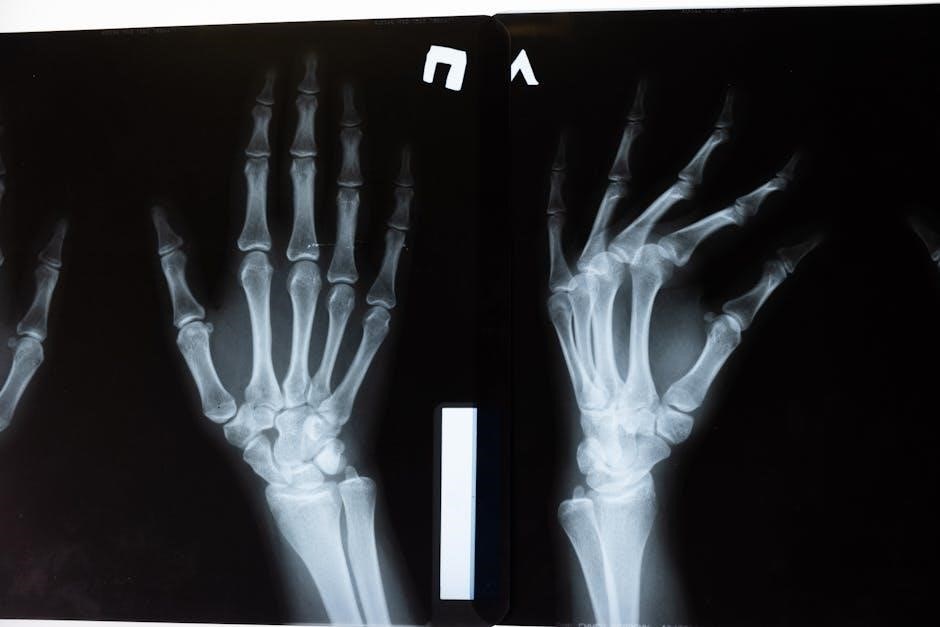
Von den Driesch’s guide, available as a PDF, details animal bone measurement from archaeological sites; it’s a crucial resource for osteological analysis and understanding past farming.
Historical Context of Bone Farming
The practice of utilizing animal bones, often termed “bone farming” in a historical archaeological context, isn’t about agricultural production of bones, but rather the study of bones from farming contexts. Von den Driesch’s pivotal work, accessible as a PDF document, provides a foundational methodology for analyzing these remains. This analysis allows archaeologists to reconstruct past animal husbandry practices, dietary habits, and even economic systems.
Historically, bones accumulated at farm sites represent the byproducts of meat production, and sometimes, deliberate resource utilization. Understanding bone assemblages – the collection of bones found at a site – requires precise measurement techniques, as outlined in the PDF guide. These measurements help determine animal species, age at slaughter, and butchering practices. The study of these bones offers invaluable insights into the evolution of farming techniques and the relationship between humans and animals over centuries, revealing a rich tapestry of agricultural history.
Archaeological Significance of Animal Bones
Animal bones recovered from archaeological sites are far more than just remnants of past meals; they are rich sources of information about human-animal interactions and past environments. The detailed measurement techniques described in Von den Driesch’s guide – readily available as a PDF – are fundamental to unlocking this information. Analyzing bone morphology, size, and age allows archaeologists to reconstruct past livestock management practices, including breeding strategies and animal health.
Furthermore, bone isotope analysis can reveal information about animal diets and migration patterns, providing insights into ancient trade networks and environmental conditions. The PDF resource aids in accurate species identification, crucial for understanding the types of animals utilized by past farming communities. Ultimately, the careful study of these skeletal remains provides a unique window into the economic, social, and ecological dynamics of past agricultural societies, offering a tangible link to our ancestors.
Von den Driesch’s Guide to Bone Measurement
Von den Driesch’s guide, accessible as a downloadable PDF file, represents a cornerstone in archaeological osteometry. This invaluable resource provides standardized methods for measuring animal bones excavated from archaeological contexts. The techniques detailed within allow for comparative analyses, enabling researchers to determine species, age, and sex of animals, and even infer aspects of their diet and health.
The PDF meticulously outlines procedures for taking precise measurements of various skeletal elements, including long bones, teeth, and cranial fragments. These measurements are then used to create statistical profiles, facilitating comparisons between different sites and time periods. Its enduring relevance stems from its ability to provide a consistent and replicable framework for analyzing faunal remains, crucial for reconstructing past human-animal relationships and agricultural practices. The guide is essential for anyone involved in zooarchaeology.
Understanding Osteological Analysis
Osteological analysis, significantly aided by resources like Von den Driesch’s PDF guide, involves the systematic study of animal bones to reconstruct past lifeways. This discipline is pivotal in understanding the history of farming, revealing details about animal husbandry practices, dietary habits, and the overall agricultural economy of past societies. By meticulously examining bone morphology and utilizing measurement techniques outlined in the PDF, researchers can identify species, estimate age at death, and detect signs of disease or stress.
The analysis extends beyond simple identification; it encompasses assessing butchery marks, indicating how animals were processed for food, and analyzing bone breakage patterns, potentially revealing information about tool use and consumption habits. Combined with archaeological context, osteological data provides a comprehensive picture of the relationship between humans and animals in agricultural settings, offering insights into the evolution of farming practices over time.

Farming Practices in South Africa
South Africa’s diverse farming—crop, livestock, and poultry—benefits from resources like Von den Driesch’s PDF, aiding understanding of historical animal agriculture practices.
Types of Farming in South Africa
South Africa’s agricultural landscape is remarkably diverse, encompassing a wide spectrum of farming types tailored to its varied climates and terrains. Crop farming focuses on producing fruits, vegetables, and grains, while livestock farming centers around cattle – including large-horned varieties – sheep, and goats. Poultry and pig farming also represent significant sectors.
Interestingly, even within these modern practices, historical context remains relevant; Resources like Von den Driesch’s PDF, a guide to measuring animal bones from archaeological sites, offer insights into the evolution of livestock farming. Analyzing bone remains helps understand past animal husbandry techniques, breed characteristics, and dietary habits. This archaeological data, accessible through the PDF, complements contemporary farming knowledge.

Understanding these historical foundations, documented in resources like the Von den Driesch PDF, can inform sustainable and efficient modern farming practices, bridging the gap between tradition and innovation within South Africa’s agricultural sector.
Crop Farming Techniques
South African crop farming employs diverse techniques, ranging from traditional methods to advanced, technology-driven approaches. These include irrigation systems suited to varying rainfall patterns, soil conservation practices to combat erosion, and precision farming utilizing data analytics for optimized yields. Farmers cultivate a wide array of crops, including maize, wheat, sugarcane, fruits, and vegetables, adapting their methods to regional conditions.
While seemingly distant, archaeological studies – and resources like Von den Driesch’s PDF detailing animal bone analysis – offer indirect insights into historical agricultural practices. Examining animal bone assemblages can reveal past dietary staples, indicating which crops were cultivated to support livestock.
Though focused on animal remains, the PDF’s data contributes to a broader understanding of ancient agricultural systems, potentially informing modern crop selection and sustainable farming strategies within South Africa’s evolving agricultural landscape.
Livestock Farming: Large Horned Cattle & Others
South Africa’s livestock farming sector is characterized by a variety of animals, with large-horned cattle playing a significant role, alongside sheep, goats, and poultry. Farming practices vary based on regional climates and market demands, encompassing extensive grazing systems and intensive feedlot operations. Breed selection focuses on productivity, adaptability, and meat quality.
Interestingly, the study of animal bones – as detailed in resources like Von den Driesch’s PDF – provides valuable historical context to current livestock practices. Analyzing bone morphology and age profiles from archaeological sites reveals past herding strategies and animal husbandry techniques.
The PDF’s insights into past animal populations indirectly inform modern livestock management, aiding in understanding breed evolution and the impact of farming on animal health and productivity within South Africa’s agricultural history.
Poultry and Pig Farming in South Africa
Poultry and pig farming are vital components of South Africa’s agricultural landscape, contributing significantly to protein production. These sectors range from small-scale, backyard operations to large-scale commercial enterprises, employing diverse breeding and management techniques. Demand for poultry and pork products remains consistently high, driving ongoing investment and innovation.
Surprisingly, even within these modern farming systems, historical data gleaned from resources like Von den Driesch’s PDF offers intriguing parallels. Analyzing archaeological bone assemblages reveals the long history of pig and fowl domestication in the region.
The PDF’s detailed bone measurement techniques can assist in understanding the evolution of these species under different farming conditions, providing a unique perspective on the interplay between animal biology and agricultural practices throughout South African history.

Agricultural Innovation & Technology
Biotechnology aims to enhance forage nutritional value, while the FRITSCH report details foodstuff production; Von den Driesch’s PDF provides historical context.
Biotechnology in Forage Production
Biotechnology’s role in modern agriculture focuses on improving forage quality and yield, crucial for livestock farming in South Africa. While seemingly distant, understanding historical agricultural practices – as detailed in resources like Von den Driesch’s PDF on animal bone analysis – provides valuable context. Analyzing bone remains from archaeological sites reveals past animal husbandry techniques and dietary habits.
This historical perspective informs current biotechnological approaches. For instance, identifying past nutritional deficiencies through bone analysis can guide efforts to enhance the nutritional value of modern forage. The aim is to create forage that maximizes livestock health and productivity. Modern techniques include genetic modification to increase protein content or improve digestibility.
Furthermore, biotechnology assists in developing forage varieties resistant to drought and pests, vital in South Africa’s variable climate. The FRITSCH report highlights the importance of efficient foodstuff production, and biotechnology plays a key role in achieving this goal. Ultimately, integrating historical knowledge with cutting-edge technology ensures sustainable and productive forage production.
Improving Nutritional Value of Forage
Enhancing forage nutritional content is paramount for optimizing livestock health and productivity within South African farming systems. Interestingly, insights gleaned from resources like Von den Driesch’s PDF – detailing animal bone analysis – offer a unique historical lens. Examining bone structures from archaeological sites reveals past animal diets and potential nutritional deficiencies.
This historical data informs contemporary strategies. For example, identifying calcium or protein deficiencies in ancient livestock can guide efforts to fortify modern forage with these essential nutrients. Biotechnology plays a crucial role, enabling the development of forage varieties with increased protein, vitamins, and mineral content.

Furthermore, improving forage digestibility is key. Techniques like enzyme supplementation or altering fiber composition enhance nutrient absorption. The FRITSCH report emphasizes efficient foodstuff production, directly linked to forage quality. Ultimately, a holistic approach – combining historical understanding with modern biotechnological advancements – ensures superior nutritional value for livestock, boosting overall farm efficiency.
FRITSCH Report: Foodstuff Production
The FRITSCH report, available for download as a PDF, delves into the complexities of foodstuff production, highlighting a “culture of contradiction” within the agricultural sector. While seemingly unrelated, insights from resources like Von den Driesch’s PDF – focusing on animal bone analysis – offer valuable context. Examining past livestock diets, inferred from bone composition, reveals historical food production challenges.
The FRITSCH report emphasizes optimizing production efficiency across various agricultural domains, including crop and livestock farming. It addresses issues like resource management, technological adoption, and market dynamics. Understanding historical dietary limitations, as revealed through osteological analysis, can inform strategies for improving modern foodstuff production.
For instance, identifying past mineral deficiencies can guide efforts to enhance soil fertility and forage quality. The report advocates for sustainable practices, ensuring long-term food security. Ultimately, integrating historical perspectives with contemporary data is crucial for navigating the complexities of foodstuff production in South Africa.

Starting a Farm in South Africa
Research and planning are key; understanding past agricultural practices – potentially informed by resources like the Von den Driesch PDF – aids venture success.
20 Steps to Kickstart Your Farming Journey

Embarking on a South African farming venture requires diligent preparation. While not directly related to modern practices, understanding historical agricultural systems can offer valuable insights. Step one involves thorough research, potentially utilizing resources like the Von den Driesch PDF – a guide to animal bone measurement from archaeological sites – to glean knowledge about past livestock management.
Steps two through ten focus on business planning, land acquisition, and securing necessary permits. Steps eleven to fifteen cover infrastructure development, including water sources and fencing. Steps sixteen to eighteen involve selecting appropriate crops or livestock, and implementing sustainable farming techniques.
Finally, steps nineteen and twenty emphasize marketing your produce and continuously adapting to market demands. Though seemingly distant, analyzing archaeological data, as facilitated by resources like the Von den Driesch PDF, can inform long-term sustainability strategies by revealing past successes and failures in animal husbandry.
Research and Planning for Farming Ventures
Comprehensive research is paramount before launching any South African farming operation. While seemingly unrelated, exploring historical agricultural practices can provide valuable context. Investigating past animal husbandry, aided by resources like the Von den Driesch PDF – a guide to archaeological bone measurement – can reveal insights into long-term sustainability and livestock management strategies.
Planning should encompass market analysis, identifying potential crops or livestock suited to the region, and developing a robust business plan. Consider climate variations, water availability, and soil quality. Detailed financial projections, including startup costs and potential revenue streams, are crucial.
Furthermore, understanding past farming challenges, potentially gleaned from archaeological studies detailed in the Von den Driesch PDF, can inform risk mitigation strategies. Thorough planning minimizes potential pitfalls and maximizes the chances of a successful and sustainable farming venture.
Accessing Grants and Funding Opportunities
Securing financial support is vital for new South African farms. While seemingly disparate, understanding historical agricultural practices – potentially informed by resources like the Von den Driesch PDF detailing archaeological bone analysis – can strengthen grant applications by demonstrating a commitment to sustainable land use.
Numerous government initiatives and private organizations offer grants and funding. Researching these opportunities requires diligent effort. Focus on programs aligned with your specific farming venture, be it crop cultivation, poultry, or livestock. Prepare a detailed business plan outlining your project’s viability and potential economic impact.
Highlighting innovative approaches, even those inspired by historical methods (as potentially revealed through studies detailed in the Von den Driesch PDF), can enhance your application. A well-prepared proposal significantly increases your chances of securing the necessary funding to kickstart your farming journey.

Market Information & Resources
Farming South Africa provides current fruit and vegetable prices, alongside agricultural news and project updates; resources like the Von den Driesch PDF aren’t listed.
Daily Fruit and Vegetable Market Prices
Farming South Africa is dedicated to providing up-to-date market information for small-scale and commercial farmers alike. While the platform excels in reporting on current pricing for a wide array of fresh produce – including daily fluctuations in fruit and vegetable costs – it doesn’t directly feature resources related to osteological studies or the “farming of bones,” such as the Von den Driesch PDF guide.
Instead, the focus remains firmly on the commercial viability of contemporary agricultural practices. Farmers can access crucial data to inform their planting and harvesting decisions, optimize profitability, and understand prevailing market trends. This includes detailed price lists for staples like tomatoes, potatoes, onions, and a diverse selection of seasonal fruits. The website aims to empower farmers with the knowledge needed to navigate the complexities of the South African agricultural market effectively, though archaeological bone analysis isn’t within its scope.
Farming South Africa: A Dedicated Website
Farming South Africa serves as a comprehensive online resource, connecting South African farmers with vital opportunities and information within the agriculture sector. The platform covers poultry, pig, and vegetable farming extensively, offering insights into production techniques and market dynamics; However, it’s important to note that the website’s core focus doesn’t extend to the specialized field of archaeological bone analysis or resources like the Von den Driesch PDF guide concerning bone measurement.
While dedicated to supporting agricultural ventures, Farming South Africa prioritizes contemporary farming practices and doesn’t delve into historical or osteological studies. It’s a valuable tool for current farmers seeking practical advice and market intelligence, but those researching “farming of bones” will need to explore dedicated archaeological and scientific databases for relevant information. The site’s strength lies in its practical, forward-looking approach to modern South African agriculture.
Agricultural News and Farming Projects
Current agricultural news and farming projects in South Africa predominantly focus on contemporary production, biotechnology advancements, and market trends – areas distinctly separate from the historical study of animal bones. While staying updated with the latest developments is crucial for modern farmers, information regarding resources like the Von den Driesch PDF guide on bone measurement from archaeological sites is unlikely to feature in standard agricultural news outlets;
Farming projects highlighted typically involve crop cultivation, livestock management (including large-horned cattle, poultry, and pigs), and innovative techniques to improve forage production. These initiatives aim to enhance food security and economic growth, but don’t generally intersect with archaeological research or osteological analysis. Therefore, seeking information on “farming of bones” requires consulting specialized academic sources and archaeological reports, rather than general agricultural news.