
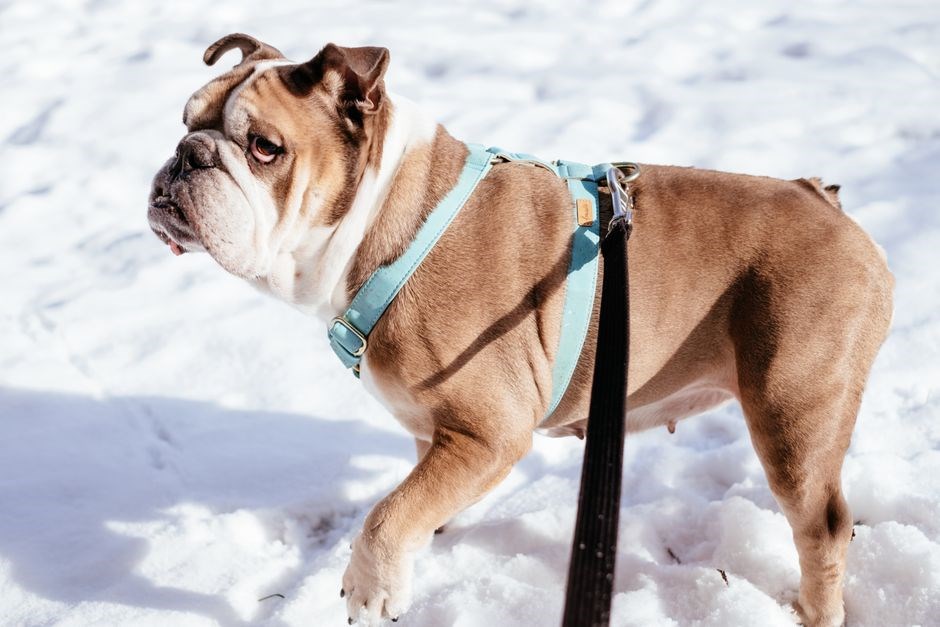
dog harness guide
Dog harnesses provide controlled movement and safety․ They come in various styles, each suited to different activities and dog sizes․ Proper fit reduces strain, while durable materials ensure longevity․ Choosing the right harness enhances training, comfort, and confidence for both dog and owner․ Enjoy walks․!
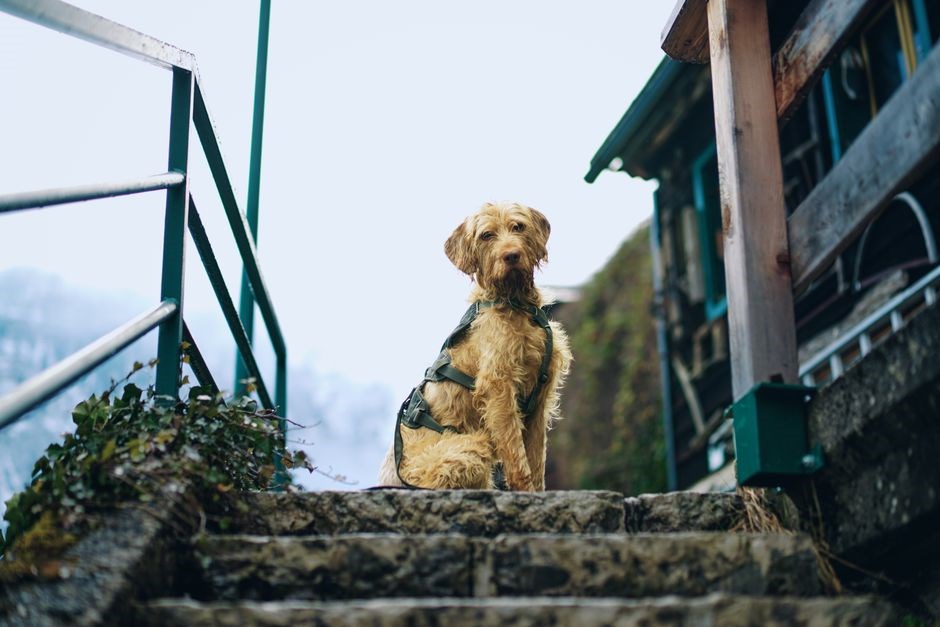
Types of Dog Harnesses
Harnesses vary: front‑clip offers control, back‑clip reduces pulling, dual‑clip balances․ Rigid handles trend for aesthetics but risk injury; flexible pull straps lower risk․ Choose based on activity and dog size for safety and comfort․ Ideal for training, walking, or hiking․
Front-Clip Harnesses
Front‑clip harnesses attach to the dog’s chest, pulling force toward the handler․ Ideal for pullers, it discourages momentum and encourages calm․ The clip near the shoulder lets the leash pull on the chest, reducing strain and preventing choking․
Front‑clip models feature straps for shape, ensuring a snug fit without constriction․ Many include padded panels․ Reflective strips improve visibility during walks․
Training with a front‑clip harness introduces leash manners․ By the dog walks beside the handler․ Consistent use encourages reinforcement and improves leash control․ Check fit before walk
Because the leash attaches to the front, the harness aids agility or obedience training․ It lets handlers guide the dog’s direction precisely․ Choose durable nylon or polyester blends; mesh suits hot climates․
Front‑clip harnesses blend control, comfort, and safety and overall health․ and safety! ?
Owners should adjust straps as needed․ Regular inspections extend the harness’s life, ensuring long‑term safety․
A fit ensures the dog’s comfort and prevents injury
A well‑fitted harness not only supports the dog’s body but also enhances the owner’s confidence, making every walk a positive experience for both parties, lasting comfort!
Back-Clip Harnesses
Back‑clip harnesses attach the leash to the dog’s back, encouraging natural walking posture and reducing strain on the neck․ The leash pulls from the rear, allowing the dog to move forward while the handler maintains control․ This design is ideal for dogs that pull or have a strong instinct to run, as it redirects the pulling force toward the body’s center of gravity․
Key features include a reinforced chest plate that distributes pressure evenly, preventing pressure points․ Many models incorporate padded shoulder straps for added comfort and adjustable waist belts for a snug fit․ Reflective stitching or bright panels enhance visibility during low‑light conditions․
Training with a back‑clip harness teaches dogs to walk beside the handler․ Because the leash pulls from the rear, the dog learns to stay in line, reducing the temptation to bolt․ Consistent use helps reinforce calm behavior and improves leash manners․
Materials commonly used are nylon, polyester, or a blend of both, offering durability and resistance to wear․ Mesh panels provide ventilation for hot days, while heavier fabrics protect against abrasion during rough terrain․ Some harnesses feature a quick‑release buckle for safety in emergencies․
Maintenance is simple: rinse with mild soap, air‑dry, and inspect for wear․ Proper fit ensures the harness does not shift during activity, maintaining safety and comfort for the dog․
Owners should check for wear at chest and waist seams, replace the harness when straps fray, and check the buckle for tightness OK․
Dual-Clip Harnesses
Dual‑clip harnesses combine front‑and back‑clip benefits, offering versatility for training and everyday use․ With two attachment points—one at the chest and one at the back—handlers can switch between leash positions to shape behavior or accommodate different activities․ This flexibility is useful for dogs that exhibit pulling or lunging tendencies, as harness can be adjusted to provide gentle corrective pressure without compromising comfort!!
Construction
Construction typically features a lightweight mesh core that keeps the dog cool during walks or hikes․ Reinforced nylon straps distribute weight evenly across the torso, reducing risk of chafing or pressure sores․ Dual‑clip models include padded shoulder and waist panels, adjustable buckles, and reflective accents for safety during night walks․
Training
Training with a dual‑clip harness encourages a balanced gait․ By attaching the leash to the chest, the dog learns to walk beside the handler, while a back‑clip attachment can be used for more rigorous training sessions․ The dual‑clip setup allows gradual transition from front‑clip to back‑clip training, helping dogs adapt to different leash dynamics․
Maintenance
Maintenance is straightforward: rinse with mild detergent, air‑dry, and inspect straps and buckles for wear․ Replace frayed components promptly to maintain safety․ Proper sizing ensures the harness stays in place during activity, preventing accidental slips that could lead to injury․
Overall, dual‑clip harnesses provide a versatile, comfortable, and useful tool for leash control, training, and everyday companionship!!
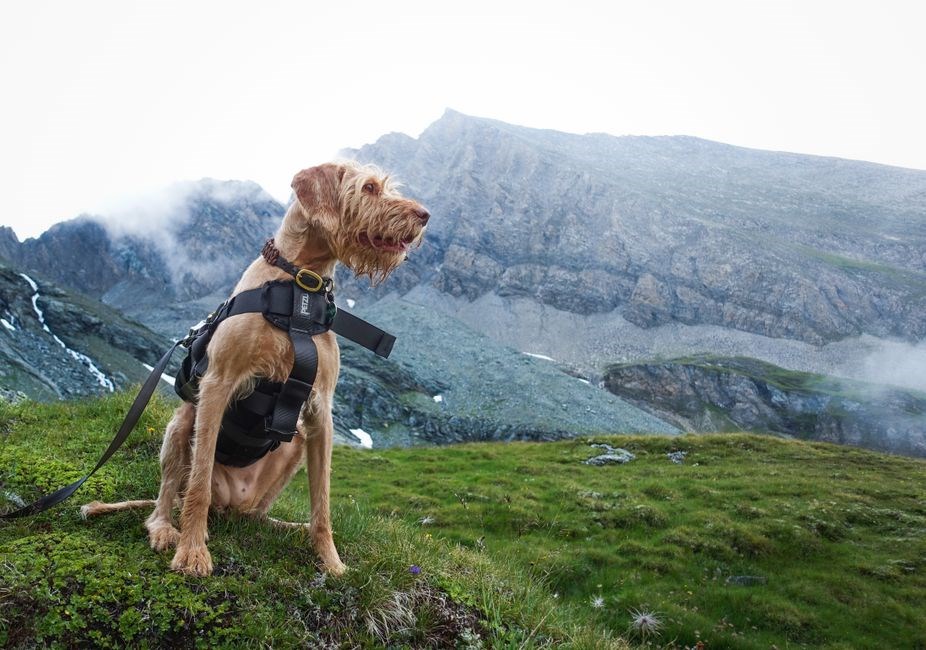
Choosing the Right Size
Measure chest circumference behind elbows, then waist․ Add 1–2 inches․ Check fit: straps lie flat, no gaps․ Adjust buckles for a secure harness during walks․ Now!!!!․
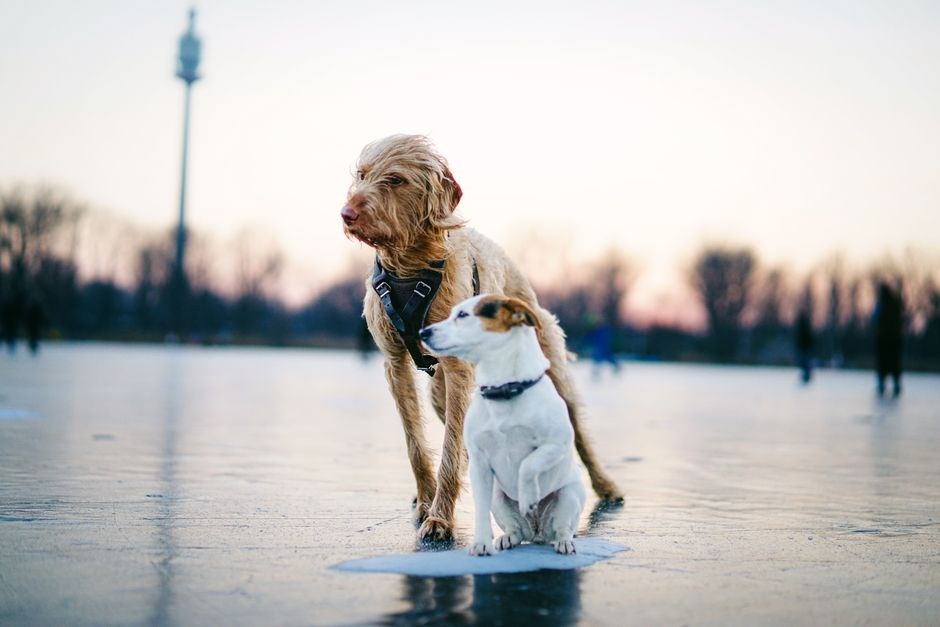
Proper sizing keeps the harness in place, preventing chafing and allowing dog to move during walks․!
Measuring Your Dog
Begin by locating the widest part of the chest, just behind the front legs․ Wrap a soft measuring tape around the chest, keeping it snug but not tight, and record the measurement in inches or centimeters․ Next, measure the waist, the narrowest part of the torso, just above the hind legs․ This ensures the harness won’t slip or constrict during movement․ For breeds with a prominent neck or a thick neck collar, add a few extra inches to the chest measurement to accommodate the collar’s bulk․ If your dog has a long, slender body, measure the length from the base of the neck to the base of the tail; this helps in selecting a harness with adequate coverage and prevents the harness from riding up or down․ Finally, check the dog’s height at the shoulder: a taller dog may require a larger harness that provides more room for leg movement․ Always add a safety margin of 1–2 inches to each measurement to allow for growth and comfort․ After taking all measurements, compare them to the manufacturer’s sizing chart, noting that some brands use a “small,” “medium,” or “large” system, while others provide exact numeric ranges․ Selecting the correct size ensures a secure fit, reduces chafing, and promotes safe, enjoyable walks for both dog and owner․
Use a flexible tape that follows the natural curve of the body, and keep the tape snug but not tight․ After measuring, try the harness on the dog and walk a few steps to test for any chafing or slippage․ Adjust as needed before final use carefully!
Adjustability Features
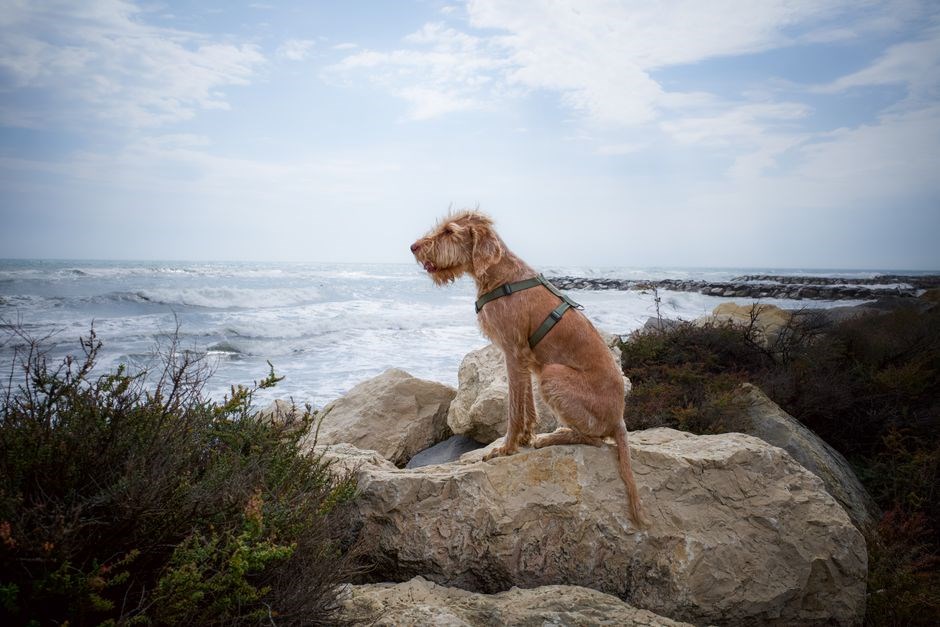
Adjustable harnesses are designed to accommodate a dog’s growth and varying body shapes․ Most models feature multiple adjustment points: a chest strap, a waist or belly strap, and sometimes a neck or collar strap․ The chest strap typically has a quick‑release buckle or a sliding hook that allows you to tighten or loosen the fit in 1‑inch increments․ This ensures the harness stays snug around the widest part of the torso without cutting off circulation․ The waist strap, located beneath the belly, provides additional support and helps distribute pressure evenly across the body․ Adjustable waist straps often have a similar quick‑release mechanism, allowing you to fine‑tune the fit for dogs with a narrow or wide waist․ Some harnesses include a third adjustment at the neck or collar area, which is especially useful for breeds with a thick neck or a prominent collar․ This third strap can be tightened to keep the harness from sliding forward or loosened for a more relaxed fit․ In addition to the standard straps, many harnesses incorporate a “t‑bar” or “X‑bar” design that allows the harness to be adjusted in two planes: front‑to‑back and side‑to‑side․ This dual‑plane adjustability is ideal for dogs that pull or have a tendency to shift their weight․ When selecting a harness, look for smooth‑moving adjustment mechanisms, such as low‑profile buckles or cam‑style releases, that prevent snagging on furniture or trees․ Finally, always test the harness after each adjustment by walking the dog a few steps; a properly adjusted harness should feel secure yet comfortable, with no signs of chafing or restriction!!!?
Materials and Construction
Sturdy fabrics like nylon, polyester, canvas resist wear․ Reinforced stitching and D‑acrylic padding protect joints․ Metal buckles or heavy‑duty Velcro ensure secure fastenings․ Quality construction balances strength, breathability, and lightweight comfort for long walks․
Durable Fabrics
Owners compare synthetic fibers with cotton, noting softness and moisture absorption․ Blended fabrics like nylon‑cotton mixes combine breathability and durability․ Foam inserts adapt to body shape, reducing pressure points during walks․ for all breeds now․
The choice of material affects weight; lighter harnesses boost for breeds, while options suit larger dogs!
Padding and Comfort
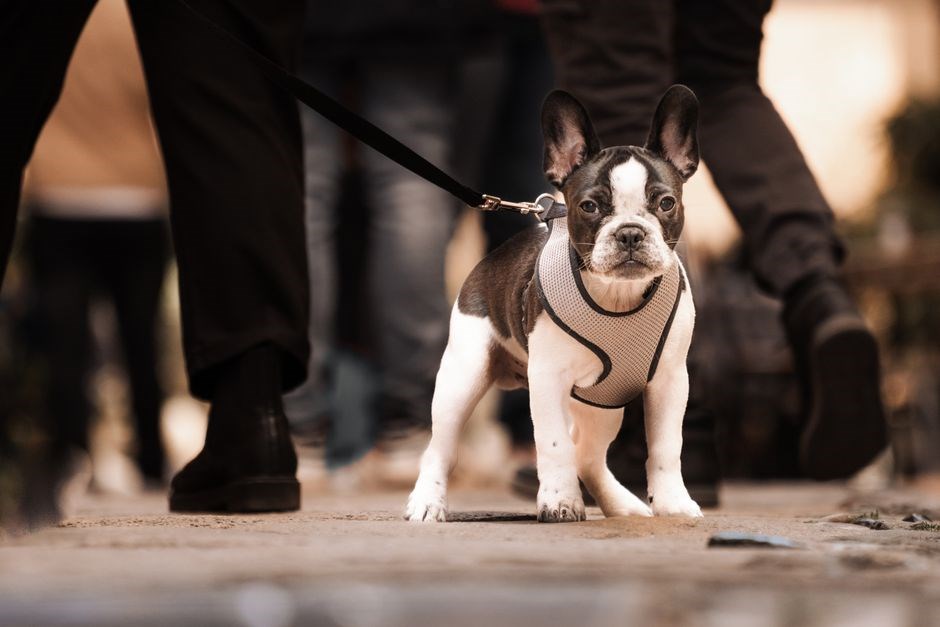
When selecting a harness, the padding system is a pivotal factor that directly influences the dog’s experience during every outing․ A well‑designed harness typically incorporates a layer of high‑density foam or neoprene between the strap and the animal’s body․ This cushioning distributes pressure evenly across the chest and shoulders, preventing the “pinch” effect that can develop from a tight fit․ The material must also be breathable; moisture‑wicking fabrics keep the dog cool and reduce the risk of skin irritation during long walks or training sessions!!
Many manufacturers now offer adjustable padding that can be tightened or loosened to accommodate growth or seasonal changes in body condition․ For breeds with a pronounced chest, a thicker pad can provide extra support, while smaller dogs benefit from a slimmer, lightweight insert that does not add bulk․ The padding should be removable for washing, ensuring that hygiene is maintained without compromising the integrity of the harness․ In addition, some high‑performance models feature a “dual‑layer” system: a soft inner lining for comfort and a tougher outer shell that resists abrasion from collars or leash pulls․
Owners often report that a properly padded harness reduces the likelihood of pulling or lunging, as the dog feels secure and less constrained․ This comfort translates into smoother leash handling for the owner and a more relaxed gait for the pet․ When evaluating a harness, always test the padding by placing the strap across the dog’s chest and checking for any pressure points or gaps․ A good harness will feel snug yet flexible, allowing the animal to move naturally while staying protected․
Safety Considerations
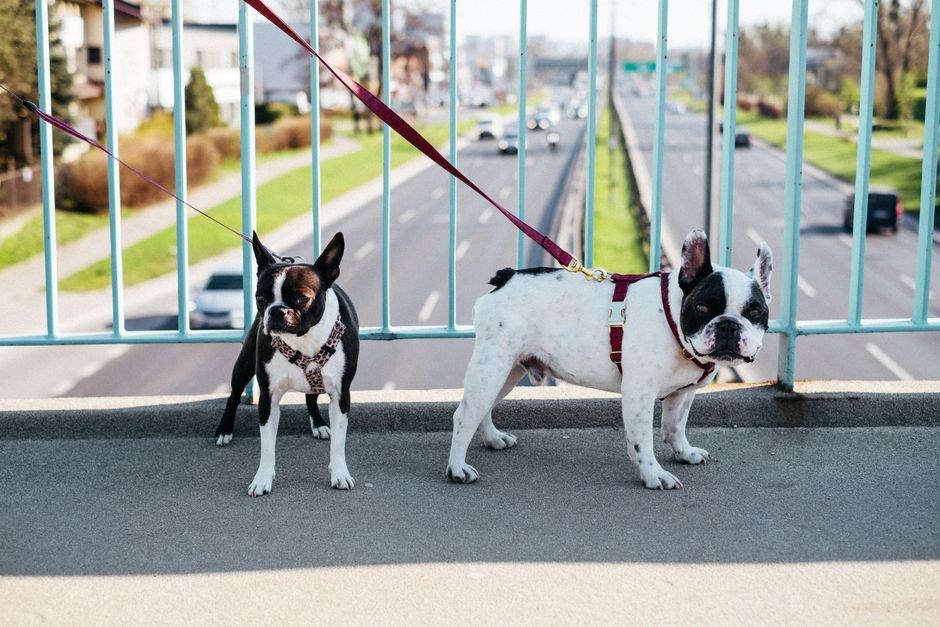
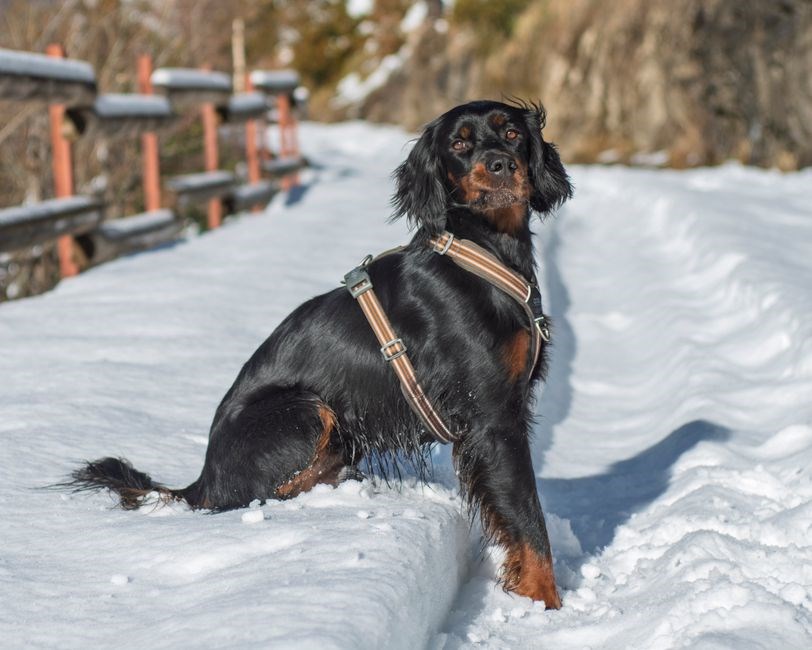
Ensure the harness fits snugly without chafing, test by walking and checking for pressure points․ Use a quick‑release buckle for emergencies, and avoid rigid handles that can injure the dog or handler․ Inspect straps for wear, replace damaged parts promptly․ Check stitching․․
Proper Fit and Testing
Start by measuring your dog’s chest circumference just behind the front legs, and the length from the base of the neck to the base of the tail․ Slide the harness on, ensuring the chest strap sits snugly but not tight, allowing two fingers between the strap and skin․ Adjust the waist and leg loops so they lie flat against the body, avoiding any twists․ Test the fit by walking the dog in a controlled area; observe for any signs of discomfort such as pulling, pawing at the harness, or chafing․ Perform a quick‑release check: pull the buckles apart to confirm they disengage smoothly within a few seconds․ Inspect all stitching for loose threads and ensure the buckles are secure․ Repeat the measurement and adjustment process after any weight change or growth․ A well‑fitted harness should feel like a second skin, providing stability without restricting movement or breathing․ Consistent daily checks will keep the harness safe and comfortable for your pet․ Remember to check the harness after each wash, as fabric can stretch and alter fit․ If you notice any sudden changes in how the harness sits, reassess immediately to prevent injury․ A properly fitted harness not only protects the dog but also builds trust between owner and pet, making walks more enjoyable․ Safety․ Observe your dog’s behavior for signs of discomfort, such as licking the harness or pulling excessively․ Adjust the straps accordingly, ensuring a balanced distribution across the chest and hips․ This helps prevent injury and promotes a walking experience․
Training with a Harness
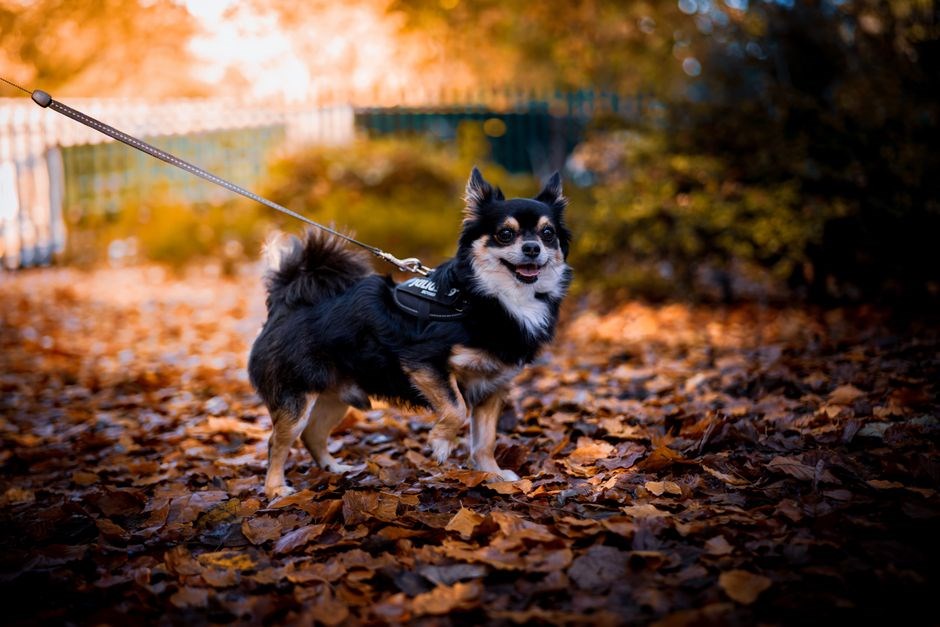
Using a harness during training offers several advantages over a collar․ The distributed pressure reduces strain on the neck, allowing dogs to learn leash manners without discomfort․ Begin by letting the dog explore the harness in a calm environment; reward calm acceptance with treats and praise․ Once the dog is comfortable, attach a short leash and practice basic commands such as “sit,” “stay,” and “heel․” The harness’s front‑clip design encourages forward movement, making it easier to guide the dog toward the desired direction․ For dogs that pull, a dual‑clip harness can redirect the pulling force to the chest, discouraging pulling while maintaining control․ Consistency is key: always use the same harness and leash combination during sessions to reinforce the association between the harness and positive outcomes․ Gradually increase the walking distance, monitoring the dog’s body language for signs of fatigue or discomfort․ If the dog shows signs of resistance or anxiety, pause the session and reassess fit and comfort․ Positive reinforcement, patience, and gradual exposure help the dog build confidence in wearing the harness․ Over time, the harness becomes a tool for teaching obedience, agility, and safe walking habits․ Proper training with a harness not only improves leash etiquette but also strengthens the bond between owner and dog, creating a more enjoyable and stress‑free walking experience for both parties․ Keep training sessions short and positive, rewarding the dog immediately after correct behavior․ If the dog resists, pause and reassess fit or comfort․ Consistency, patience, gradual exposure build confidence ensure safe walking habits․Thaks
Maintenance and Care
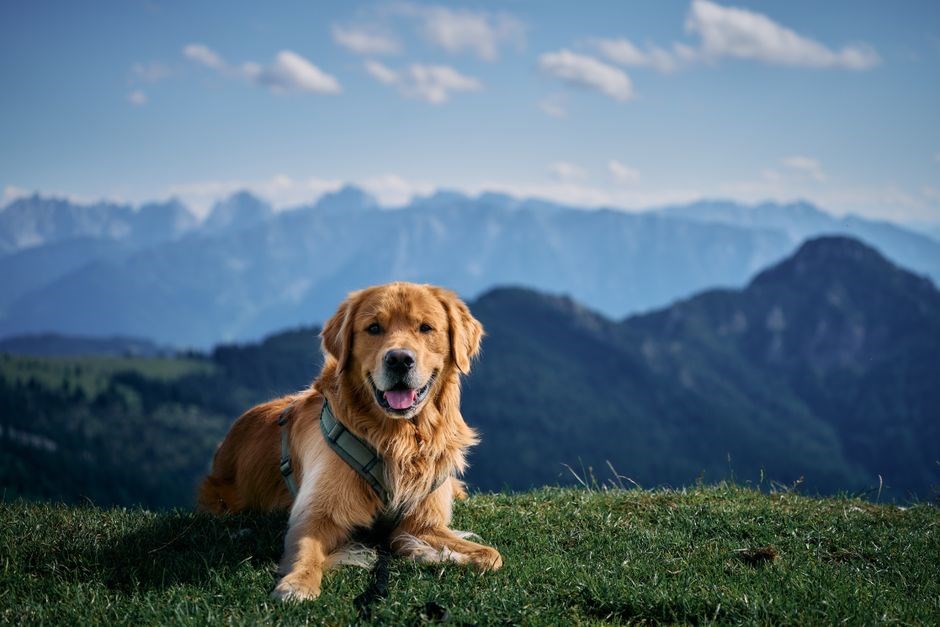
Regular upkeep keeps a harness safe and comfortable․ Regular cleaning every 4–6 weeks or after muddy walks, using mild detergent and lukewarm water, keeps fabric supple․ Avoid harsh chemicals that can degrade elastic or fabric․ Rinse thoroughly, then air‑dry away from direct heat․ Inspect the harness weekly for frayed straps, loose buckles, or worn stitching; replace any damaged parts immediately․ Tighten all buckles and adjust straps to maintain a snug fit, as loose harnesses can slip or cause chafing․ Store the harness in a cool, dry place, folded or hung, to prevent mold and preserve shape․ For long‑term storage, place a breathable bag over the harness to keep dust out․ If the harness has removable pads, wash them separately, following the manufacturer’s instructions․ Keep the harness out of reach of children and pets when not in use․ By following these simple steps, you extend the life of the harness and ensure your dog’s safety and comfort during every walk․
For seasonal changes, adjust the harness’s strap tension to accommodate swelling or weight loss․ Choose breathable fabrics and avoid tight fits that cause heat rash․ During winter, inspect for ice buildup on buckles and clean with a damp cloth to prevent corrosion․ Regularly check the harness for signs of wear, replace it after 12–18 months․ Proper care ensures lasting comfort and safety for your dog․
Keep it clean Always